SP ARCHITECTS
Sabri PAŞAYİĞİT | Founder
MIPIM 2025 was invaluable for encountering geographies where we had not previously been active and for laying the groundwork for future collaborations.
preparation…
Being selected as a finalist was a significant source of motivation. However, throughout the process, we observed that regardless of a project’s strength, in the specific context of the MIPIM Awards, the narrative style and presentation strategy are equally decisive.
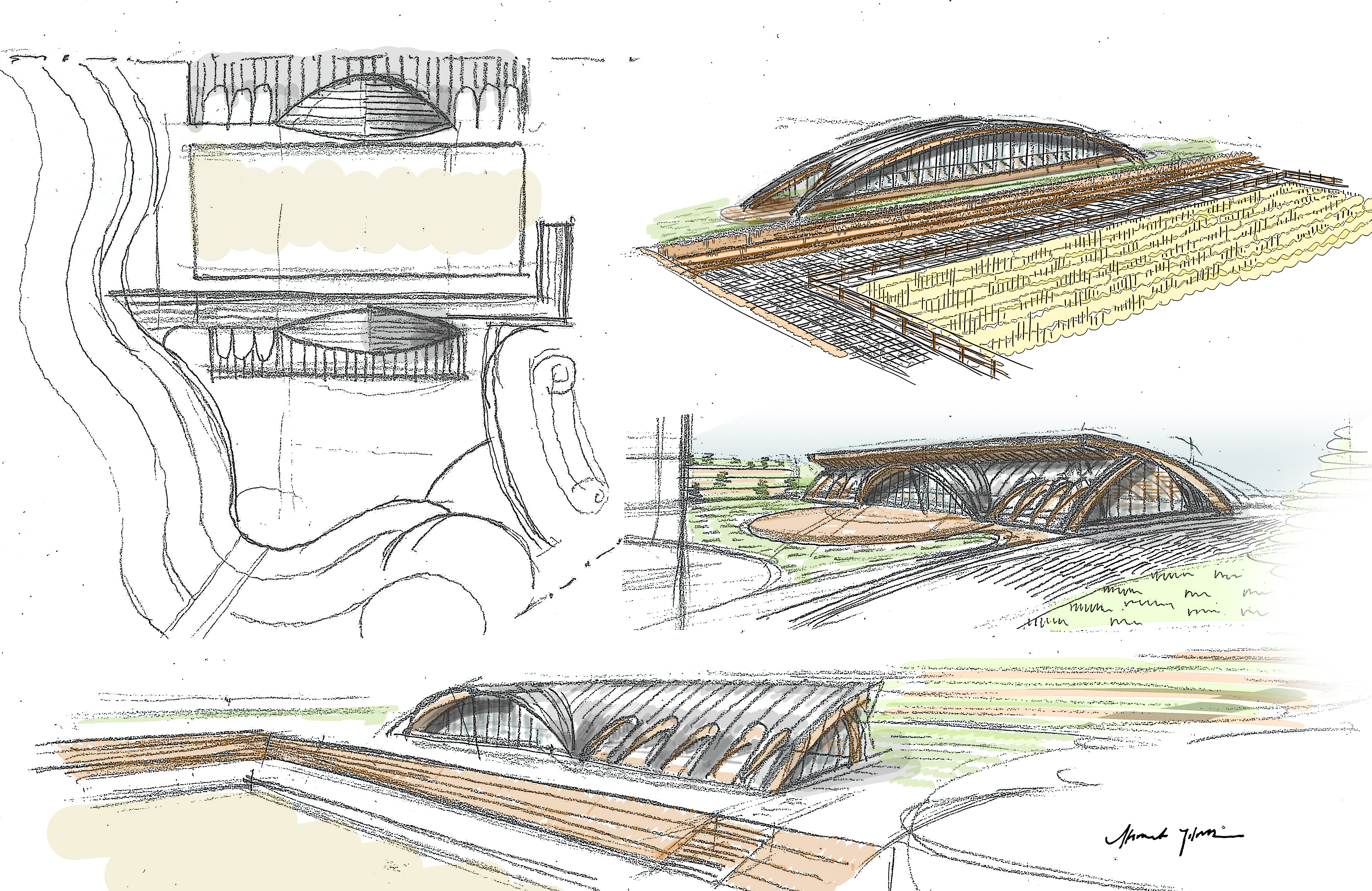
Our project, the Beytepe Equestrian Sports Complex, was designed with an approach that establishes a spatial relationship with the site, respects nature, and offers a contemporary stage for traditional sports. Yet, creative promotional maneuvers, such as the winning project’s team circulating the fairground in bee costumes to garner votes, can create a significant differentiation at this point. Thus, we once again experienced the vital importance of how a project is narrated, beyond its architectural qualities alone.
highlights…
Looking at this year’s finalist projects, we saw that much more than mere sustainability came to the fore. The jury evaluated entries by considering not only environmental sensitivity but also broader themes such as user experience, social contribution, and publicity. In the winning projects, elements such as the structure’s contribution to society, the story it tells, and its interaction with the public were successfully orchestrated alongside the architecture itself.
MIPIM is a crucial platform where large-scale ideas in architecture and urbanism converge. As every year, encountering projects from different geographies and witnessing various forms of representation and presentation methods was inspiring for us. Seeing the increasing importance placed on experience design, particularly in stand setups, demonstrated once again that presentation has become an integral part of architecture.
On the other hand, it was a significant gap that contemporary technologies, specifically topics such as artificial intelligence, were surprisingly unaddressed. The fact that these fields, which are redefining the sector today, found no space at the fair indicates that MIPIM needs to restructure itself.
the evolution and progress of MIPIM…
MIPIM continues to offer a powerful networking and visibility space. It remains one of the rare platforms where global firms, cities, and investors can come together to find common ground. However, we believe it must question its structure, which is now perceived merely as “MIPIM Europe,” and reposition itself. To keep pace with today’s dynamics, it is imperative that it transforms with a more digital, innovative, and inclusive vision. For instance, it was striking that almost no content was offered this year on topics shaping the future of the sector, such as AI.
We believe that young entrepreneurs, proptech startups, and new-generation production methods should be granted more space at the fair.
While the removal of carpeting under the sustainability banner was a positive step, the high-energy-consuming stands, intense lighting, and print-heavy communication language that contradicted this move show that the fair needs a consistent strategy in this regard. Furthermore, like many participants, we felt at times that we were not sufficiently supported. As participants, we provide content, visibility, and investment to this platform; in return, it is our right to expect more transparent and inclusive communication and better organizational experience.
In short, MIPIM remains important and valuable. However, to keep up with the changing world, it must renew its format and mindset. It could initiate a new era that preserves the Cannes experience while being strengthened by digitalization.
contribution…
For us, MIPIM is no longer a platform limited to presenting projects or making one-on-one business connections. Thanks to this fair, which we have attended regularly for about 10 years, we have established strong and sustainable relationships with many institutions and professionals. This year was valuable for meeting geographies where we were not previously active and laying the groundwork for potential future collaborations.
We now view MIPIM as a natural stop in our annual business plan, a space where we reinforce our relationships. We aim to utilize this space not just through standing participation, but also by becoming more visible through panels and talks, treating it as a continuation of the other international events we attend throughout the year. We can say that we have solidified our place here for the years to come.
SP ARCHITECTS
Sabri PAŞAYİĞİT | Founder
Beytepe Mixed-Use Equestrian Sports Center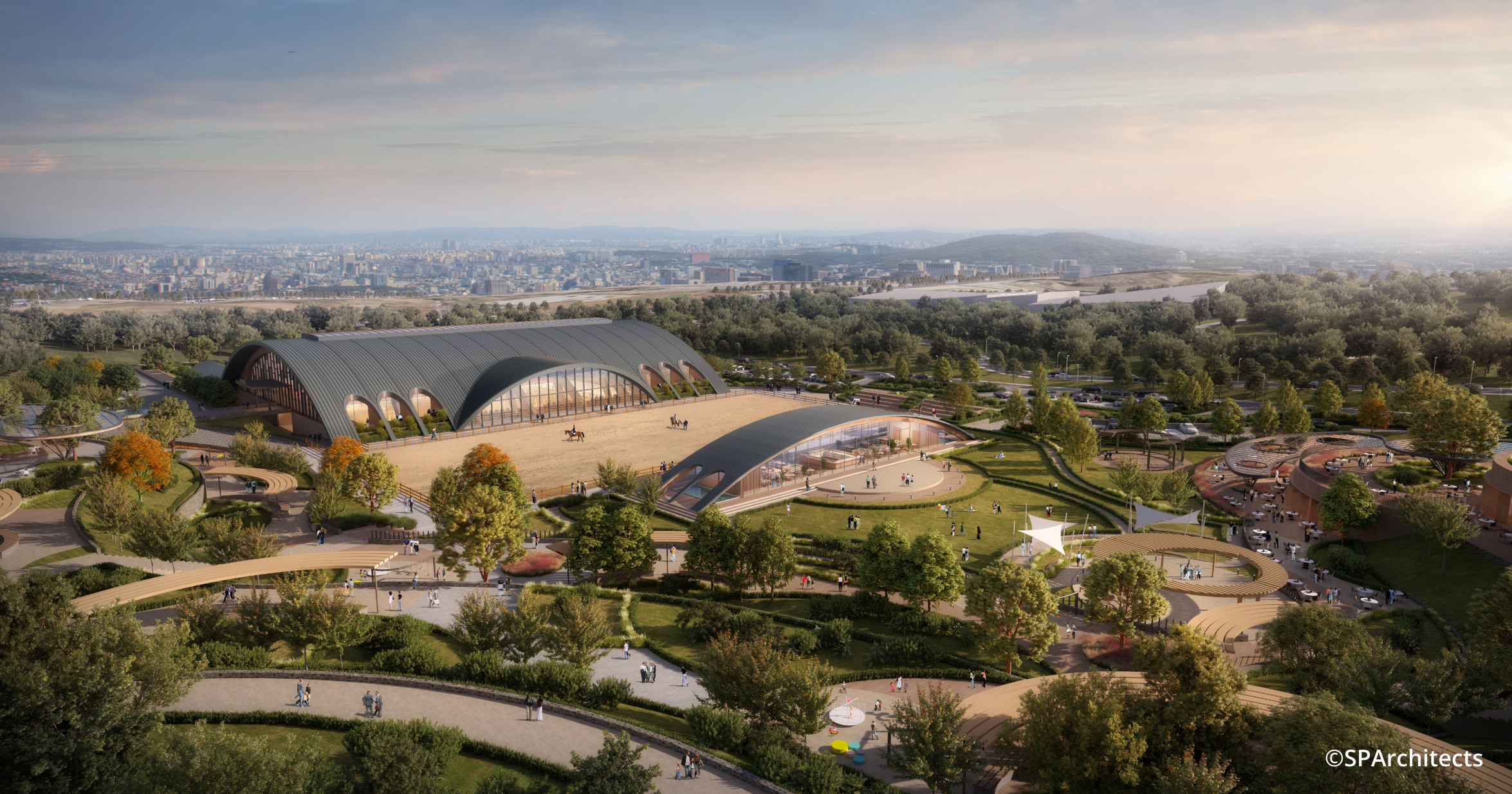 Located on a 110-decare site, this international center boasts a multi-layered usage scenario extending from fairs and concerts to equestrian competitions. Opened to both professional and amateur athletes, the facility transforms into a living public park with 70 decares of landscaping that includes picnic areas, children’s playgrounds, and bicycle routes.
This green texture, integrating with the existing topography, embraces the open riding arena and stage areas, acting as a natural tribune. The sloping nature of the terrain was evaluated not as a construction difficulty, but as an opportunity that preserves sub-soil life and enriches the architecture. Thanks to two distinct tribune setups, one leaning against the natural slope and the other integrated into the side of the field, urban dwellers using the park can experience the facility simultaneously with those attending events.
In terms of structural configuration, instead of traditional reinforced concrete, glued laminated timber (glulam) technology stands out as a strong representative of sustainable architecture. While the entire load-bearing system, excluding the foundation, is manufactured from wood, settlement decisions that keep cut-and-fill works to a minimum shorten the construction period and reduce the carbon footprint. With a span of 80 by 90 meters and a height of 22 meters, the project ranks among the pioneering global examples of glulam technique.
 Natural Ventilation Strategy
The climatization setup is built upon passive systems that operate without the need for mechanical energy. Arched vents on the 90-meter facade, positioned perpendicular to the prevailing wind direction, and sensor-equipped light street openings on the roof allow the structure to breathe.
The system operates on aerodynamic principles:
- The prevailing wind accelerates over the roof surface, creating a pressure difference.
- Clean air entering from beneath the glass panels on the facade spreads into the interior.
- The resulting air current evacuates the stale indoor air through the roof openings.
Through this cycle, natural ventilation is achieved without energy expenditure, while the condensation effects a chronic problem in equestrian sports facilities is eliminated.

Sustainable Irrigation Infrastructure
The continuous moisture required by riding arenas, which range in width from 600 m² to 5000 m², leads to high water consumption in classic irrigation methods. In the Beytepe project, this issue is resolved through on-site recycling.
Rainwater collected from roof surfaces and the landscape is stored in drainage pools within the facility. When sensors on the arena floor detect a need for moisture, water from the pool is delivered to the system in a controlled manner via automated underground channels. Thus, by ensuring water reaches the target directly without evaporation, substantial water and energy savings are achieved compared to conventional methods.